Why Air Conditioners Lose Efficiency Over Time: Common Causes Explained
The importance of energy efficiency in air conditioning systems is impossible to overstate. Energy-efficient air conditioners not only contribute to a significant reduction in utility bills but also play a critical role in minimizing environmental footprints. As these systems age, however, their efficiency can decline, often leading to increased operational costs and a heavier ecological toll.
Understanding these factors is crucial for taking proactive measures. With advancements in technology, modern air conditioning systems offer enhanced energy-saving features. Yet, regardless of technological developments, no system can maintain peak efficiency indefinitely without proper upkeep. Ignoring regular AC service can lead to compounded problems that ultimately shorten the lifespan of an air conditioner. Therefore, exploring these efficiency-reducing factors will empower homeowners to address issues before they escalate.
In conjunction with AC service practices, being informed about the environmental impact of inefficient air conditioners provides an additional incentive for regular checks. As climate change becomes an increasingly pressing issue, reducing carbon footprints through energy-efficient home systems is more relevant than ever. According to the Environmental Protection Agency (EPA), having HVAC equipment evaluated by a professional is recommended if it’s over ten years old or if it's not keeping your home comfortable. Overall, a combination of knowledge, timely intervention, and professional guidance forms the backbone of maintaining air conditioning efficiency.
Accumulated Debris
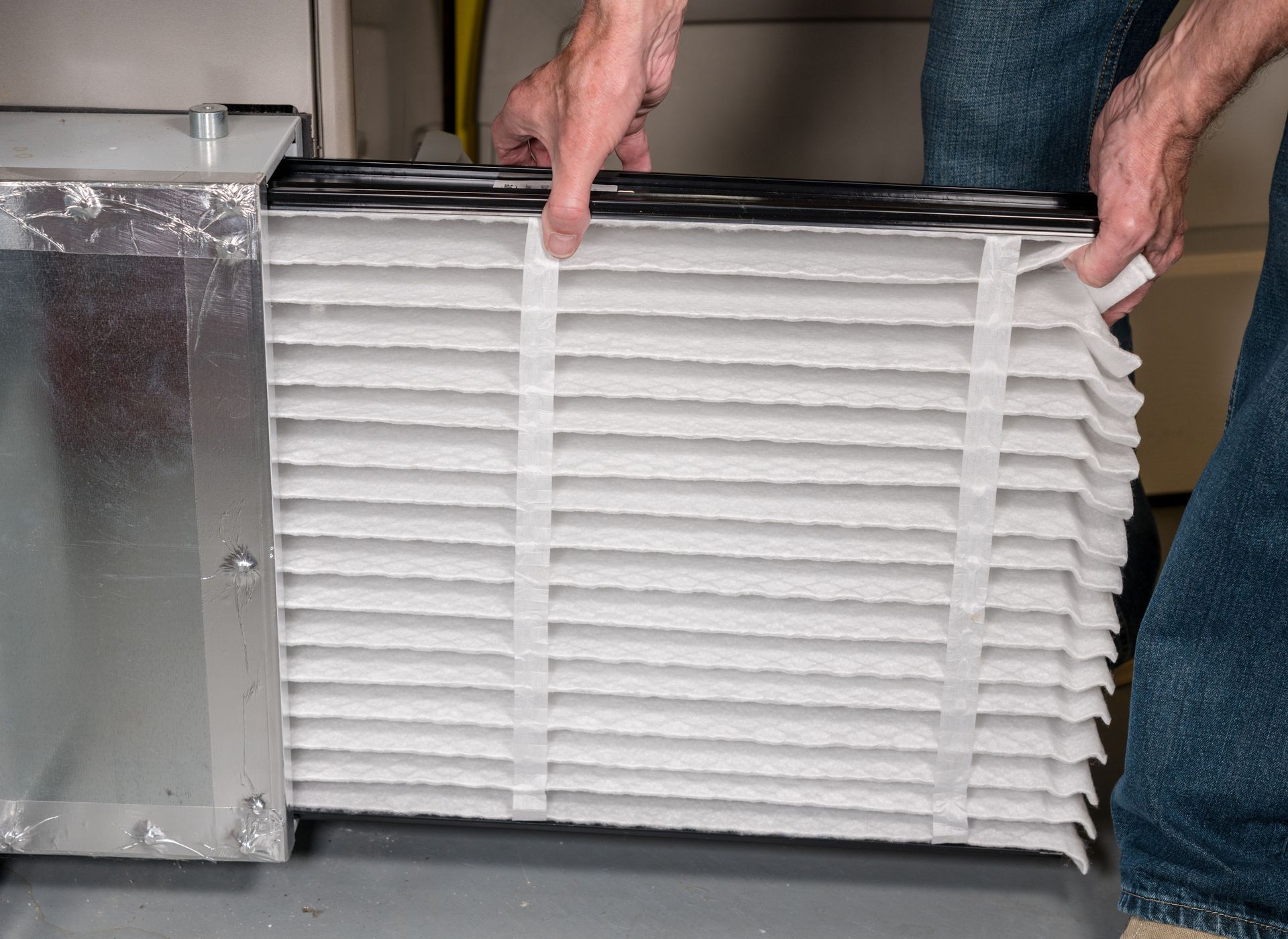
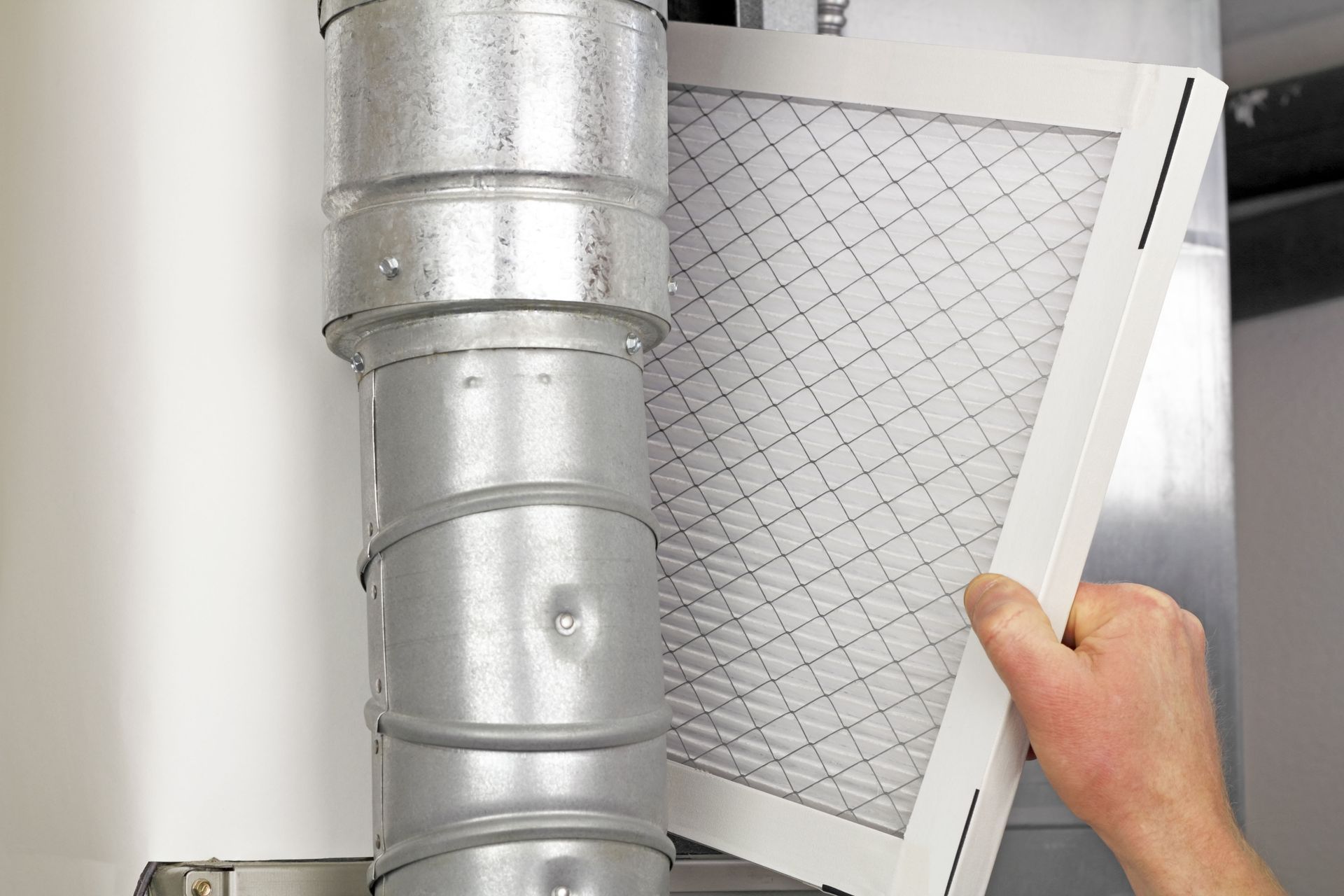
The accumulation of debris is another factor that significantly impacts air conditioner efficiency. Dust, dirt, and other particulates can build up on components such as coils and in air ducts. As debris accumulates, it hinders airflow, forcing the system to work harder to circulate cool air. This extra workload amplifies energy consumption and accelerates wear and tear on system components. Routine cleaning and AC service can mitigate these negative effects, keeping the system running smoothly and efficiently.
Over time, the buildup of debris can block essential passages within the system, affecting the overall functionality of different components. If left unchecked, this blockage can result in overheating or cause the system to freeze. It’s important to address these issues by regularly checking and cleaning components like filters and evaporator coils. By maintaining these parts, the system can operate more effectively, conserving energy and reducing operating costs. In essence, addressing debris accumulation prevents minor issues from ballooning into major, costly repairs.
Homeowners should establish regular cleaning schedules for their air conditioning systems to tackle debris issues proactively. The frequency of cleaning will often depend on environmental conditions; for example, homes in dusty areas may require more frequent maintenance. A clean system is not only more efficient but also contributes to a healthier indoor environment by reducing allergens and improving air quality. Proactively mitigating debris accumulation can extend the life and efficiency of an air conditioner and save on long-term costs. Fortunately, many maintenance tasks, such as cleaning air filters and clearing ducts, can be handled by homeowners, while more complex cleaning should involve professionals.
Motor and Fan Degradation
Motor and fan degradation is a common culprit in the efficiency decline of air conditioners. These components are vital in ensuring the proper flow of air throughout the unit. Over time, as the motor and fan components degrade, they consume more power while delivering less effective cooling. This inefficiency can gradually lead to escalated energy bills and reduced cooling performance. Regular lubrication and cleaning of these parts can prevent degradation and maintain system efficiency.
In many cases, motor and fan issues are often overlooked until they result in noticeable performance drops. Signs such as rattling noises, irregular cycles, or increased running times can hint at underlying problems with these components. Ignoring these signs can eventually lead to system breakdowns or irreversible damage. An inspection by a qualified AC service can identify and repair motor or fan issues before they become more significant concerns. Investing in routine check-ups is a proactive approach to avoiding costly repairs or downtime, therefore maintaining a comfortable indoor environment.
Refrigerant Water Hammer
Refrigerant water hammer is a lesser-known but impactful issue that affects air conditioning efficiency. This phenomenon occurs when liquid refrigerant flows back into the compressor, causing abrupt pressure changes. These pressure fluctuations can lead to mechanical shock, damaging the compressor and other system components. Over time, the damage can diminish cooling efficiency and escalate energy expenses. It's essential to identify the early signs of refrigerant hammering to prevent further damage.
Addressing refrigerant water hammer involves understanding its causes, such as improper system balance or blockages. Ensuring that the refrigerant level is optimal and the system is properly balanced can prevent the formation of water hammers. Consultation with an AC service technician to evaluate the system can result in the necessary adjustments to avoid this issue altogether. By addressing refrigerant-related complications proactively, homeowners can enjoy peace of mind and system longevity. Balancing refrigerant levels and addressing component damage early can mitigate future risks to efficiency.
Compressor Functionality Decline
The compressor, often referred to as the heart of an air conditioning system, plays a crucial role in maintaining efficiency. Over time, compressors can suffer from wear and tear, resulting in reduced performance and higher energy consumption. Common issues that arise due to compressor decline include frequent cycling, difficulty in achieving set temperatures, and increased electricity bills. To counter these problems, regular inspections and timely interventions are necessary. Early diagnosis and replacement of a failing compressor can prevent an entire system breakdown.
The process of diagnosing compressor issues can begin with listening for unusual noises. If the system exhibits abnormal sounds or experiences frequent shutdowns, it might indicate a compressor problem. In such cases, professional assessment is warranted to accurately evaluate the extent of the problem and recommend appropriate solutions. Compressor failure not only diminishes cooling efficiency but can also lead to costly repairs or replacements if left untreated. Addressing these issues promptly ensures the system runs efficiently while avoiding long-term damage.
By keeping a close eye on compressor functionality, homeowners can help ensure efficient operation and extend the overall life of the air conditioning system. Staying attentive to the compressor's health can prevent minor issues from escalating into system-wide failures. Additionally, considering a compressor upgrade in older systems could further improve energy efficiency and reduce operating costs. Professional HVAC contractors, recognized for their expertise, can provide insights into the best course of action when addressing compressor concerns. Overall, maintaining compressor health is a cornerstone of ensuring an air conditioning unit’s durability and efficiency.
Refrigerant Leaks
Refrigerant leaks are a common issue that affects air conditioning efficiency, typically arising from factors such as poor installation or deteriorating connections. Over time, wear on refrigerant lines or connections can result in leaks, reducing the system's cooling ability. In some cases, factory defects in the equipment may contribute to refrigerant loss. It's crucial to identify these underlying causes to implement effective solutions. Regular system inspections by a qualified HVAC technician can help in diagnosing and rectifying potential leak sources early on.
Corrosion of metal components is another frequent cause of refrigerant leaks. This often happens when moisture is present in the system, expediting rust and corrosion processes. Regular maintenance, such as replacing corroded parts and ensuring the system's internal environment remains dry, can mitigate these issues. Using anti-corrosive materials during installations can also help in preventing leaks. A keen awareness of these various causes and proactive AC service reduces the chances of leaks and helps in sustaining efficient and clean cooling operations.
Maintaining an energy-efficient air conditioning system requires more than simply installing a high-quality unit—it demands ongoing attention to the factors that can gradually reduce performance over time. Issues such as accumulated debris, motor and fan degradation, refrigerant water hammer, compressor wear, and refrigerant leaks can all contribute to increased energy consumption, reduced cooling capacity, and higher operating costs. As air conditioners age, proactive AC service becomes increasingly important, ensuring that systems continue to operate effectively and sustainably for years to come. To have a professional inspect your home's AC system or schedule required maintenance, the folks at MKC Solutions Air Conditioning are happy to help.




Share On: