Air Conditioning Service Guide for Better Efficiency
This article provides a comprehensive guide on air conditioning service to ensure optimal performance and energy efficiency. Let's explore important aspects of maintenance, common issues, and professional service requirements.
Understanding Your Air Conditioning System
Types of Air Conditioning Systems
Air conditioning systems come in various types, each tailored to specific needs and spaces. Central air conditioning systems are the most common for residential use, providing whole-house cooling through a network of ducts. Ductless mini-split systems are ideal for homes without traditional ductwork, offering zoned cooling solutions. Portable air conditioners offer flexibility for temporary use while window units provide affordable options for single-room applications. Understanding the differences in these systems will help you select the best air conditioning service that suits your requirements.
Components and How They Work
An air conditioning system comprises several key components, each playing a vital role in its operation. The compressor circulates refrigerant between the indoor and outdoor units, facilitating heat exchange. Evaporator coils absorb heat from indoors, while condenser coils release it outside. The expansion valve regulates the flow of refrigerant, and the blower fan distributes cooled air throughout the space. Understanding these components helps in identifying and addressing issues effectively.
Key Performance Indicators
Monitoring key performance indicators (KPIs) of your air conditioning system ensures its optimal functioning. Cooling capacity, measured in BTUs (British Thermal Units), determines the system's ability to cool a space effectively. The SEER (Seasonal Energy Efficiency Ratio) rating measures energy efficiency, and higher values indicate better performance. Airflow rates impact the distribution of cooled air, with balanced rates ensuring uniform cooling. These KPIs provide insights into the efficiency and effectiveness of your system, guiding maintenance and upgrade decisions.
Energy Efficiency Ratings
Energy efficiency ratings play a crucial role in evaluating and comparing air conditioning systems. SEER ratings quantify the energy efficiency of an AC unit, with higher values indicating more efficient performance. ENERGY STAR-certified systems offer verified energy savings, reducing both utility bills and environmental impact. Consideration of these ratings when purchasing or upgrading a system is essential for achieving long-term cost savings. Energy efficiency is an important factor. According to Workyard, the Midwest and South regions lead in AC usage, with rates at 92% and 93%. In areas like these, high SEER ratings are even more invaluable.
Importance of Regular Maintenance
Scheduled Tune-Ups
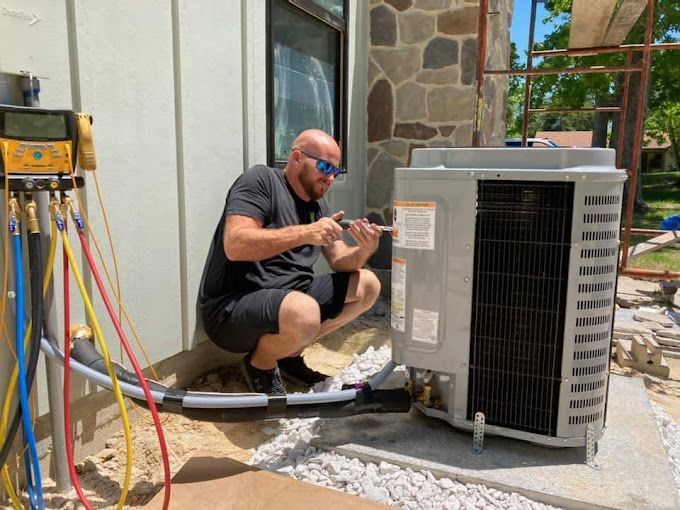
Regular air conditioner service through scheduled tune-ups is vital for extending the life of your air conditioning system and improving performance. A professional tune-up typically includes inspecting refrigerant levels, checking for leaks, and assessing electrical connections. Cleaning components like coils, fins, and filters ensures efficient heat exchange and airflow. Regular tune-ups can prevent costly breakdowns and maximize energy efficiency. In regions like the Midwest and South, where AC usage is high, consistent maintenance helps avoid peak-season failures and inefficiencies.
Filter Replacement
Replacing air filters regularly is one of the simplest yet most crucial maintenance tasks for ensuring efficient system operation. Dirty filters restrict airflow, causing the system to work harder and increasing energy consumption. Filters should be checked monthly and replaced at least every three months, or more frequently if the system is used heavily or in dusty environments. Clean filters improve indoor air quality by capturing dust, pollen, and other pollutants. Scheduling air conditioning service to replace filters not only enhances system efficiency but also contributes to a healthier living space.
Cleaning Coils and Fins
Coils and fins in an air conditioning system are integral to the heat exchange process and require regular cleaning. Evaporator coils absorb heat from indoor air, while condenser coils release it outdoors. Over time, dirt and debris accumulate on these components, reducing their ability to transfer heat effectively. Regular cleaning of coils and fins restores their efficiency, improves cooling performance, and reduces energy consumption. Neglecting this air conditioning service task can lead to system strain and increased operating costs.
Checking Thermostat Settings
Ensuring proper thermostat settings is crucial for maintaining a comfortable indoor environment and optimizing energy usage. A programmable thermostat allows for automatic adjustments based on occupancy and time preferences. Setting the thermostat a few degrees higher when the space is unoccupied can lead to significant energy savings. Regularly checking and calibrating the thermostat ensures accurate temperature readings and efficient system operation. This simple air conditioning service practice can prevent unnecessary energy expenditure and improve overall comfort.
Enhancing Efficiency and Performance
Upgrading to a Programmable Thermostat
Upgrading to a programmable thermostat is a highly effective way to enhance the efficiency and convenience of your air conditioning system. Programmable thermostats allow for automatic temperature adjustments based on your schedule, reducing energy waste during unoccupied periods. Users can set temperature preferences for different times of day, ensuring a comfortable environment while minimizing energy consumption. This simple upgrade provides significant long-term benefits in terms of both cost and comfort.
Insulation and Weatherproofing
Proper insulation and weatherproofing are essential for maximizing the performance and efficiency of your air conditioning system. Well-insulated walls, ceilings, and floors minimize heat transfer, helping your system maintain consistent indoor temperatures. Weatherproofing measures, such as sealing gaps and installing weatherstripping, prevent conditioned air from escaping. These enhancements work cohesively to reduce the system's workload and lower energy costs. Implementing comprehensive insulation and weatherproofing strategies contributes to improved comfort and energy efficiency year-round.
Strategic Use of Fans
Strategically using fans in conjunction with your air conditioning system can significantly improve cooling efficiency and comfort. Ceiling fans and oscillating fans enhance air circulation, promoting even temperature distribution and reducing reliance on the AC system. By setting fans to rotate counterclockwise, you can create a wind-chill effect that allows you to raise the thermostat setting without sacrificing comfort. Fans also assist in reducing humidity levels, further enhancing indoor comfort. Integrating fans into your cooling strategy minimizes energy usage and extends the life of your AC system.
Seal Ductwork
Sealing ductwork is a critical step in improving air conditioning system efficiency and reducing energy waste. Leaky ducts result in significant loss of conditioned air, forcing the system to work harder and increasing energy costs. Professionals can assess and seal ductwork using specialized materials, ensuring optimal air distribution and minimal losses. Sealed ducts contribute to consistent cooling performance and improved indoor air quality by preventing contaminants from entering through leaks. This cost-effective measure enhances overall system efficiency and comfort.
Cost-Effective Solutions
Energy-Saving Habits
Adopting energy-saving habits plays a vital role in optimizing air conditioning efficiency and reducing utility bills. Setting the thermostat higher during peak usage hours and using fans to circulate air can lower energy consumption. Closing blinds or curtains on sunny days minimizes heat gain, reducing the workload on the AC system. Scheduling regular maintenance and considering off-peak usage when running energy-intensive appliances contribute to cost savings. These habits, when practiced consistently, provide long-term benefits in managing energy expenditure.
Government Rebates and Incentives
Taking advantage of government rebates and incentives can offset the cost of upgrading to more energy-efficient air conditioning systems. Many programs offer financial incentives for purchasing high-efficiency units, installing programmable thermostats, or improving home insulation. These incentives encourage homeowners to adopt energy-saving technologies that provide environmental and economic benefits. Researching available rebates and ensuring compliance with program requirements maximizes the financial advantages. Leveraging these opportunities allows for cost-effective upgrades that enhance both comfort and efficiency.
Long-term Savings Through Upgrades
Investing in air conditioning service system upgrades offers substantial long-term savings through enhanced efficiency and performance. Upgrading to higher SEER-rated units, smart thermostats, or improved ductwork leads to reduced energy consumption and lower utility bills. While the initial investment may be significant, the payback period is often short due to the long-term energy savings achieved. Additionally, new systems provide improved performance, increased reliability, and advanced features that enhance comfort. Considering these upgrades ensures a cost-effective, efficient, and modern cooling solution for your home or business.
Implement these tips and strategies of air conditioning service to enjoy a comfortable and cost-effective environment year-round. Prioritizing system care and investing in modern technologies contribute to significant energy savings and enhanced indoor comfort. Ultimately, informed decisions regarding maintenance and upgrades foster a sustainable approach to cooling in any region. To get started on your regular AC maintenance or schedule same-day repairs, reach out to MKC Solutions Air Conditioning today.





Share On: