
7 Reasons Every Homeowner Should Have a Backup Generator
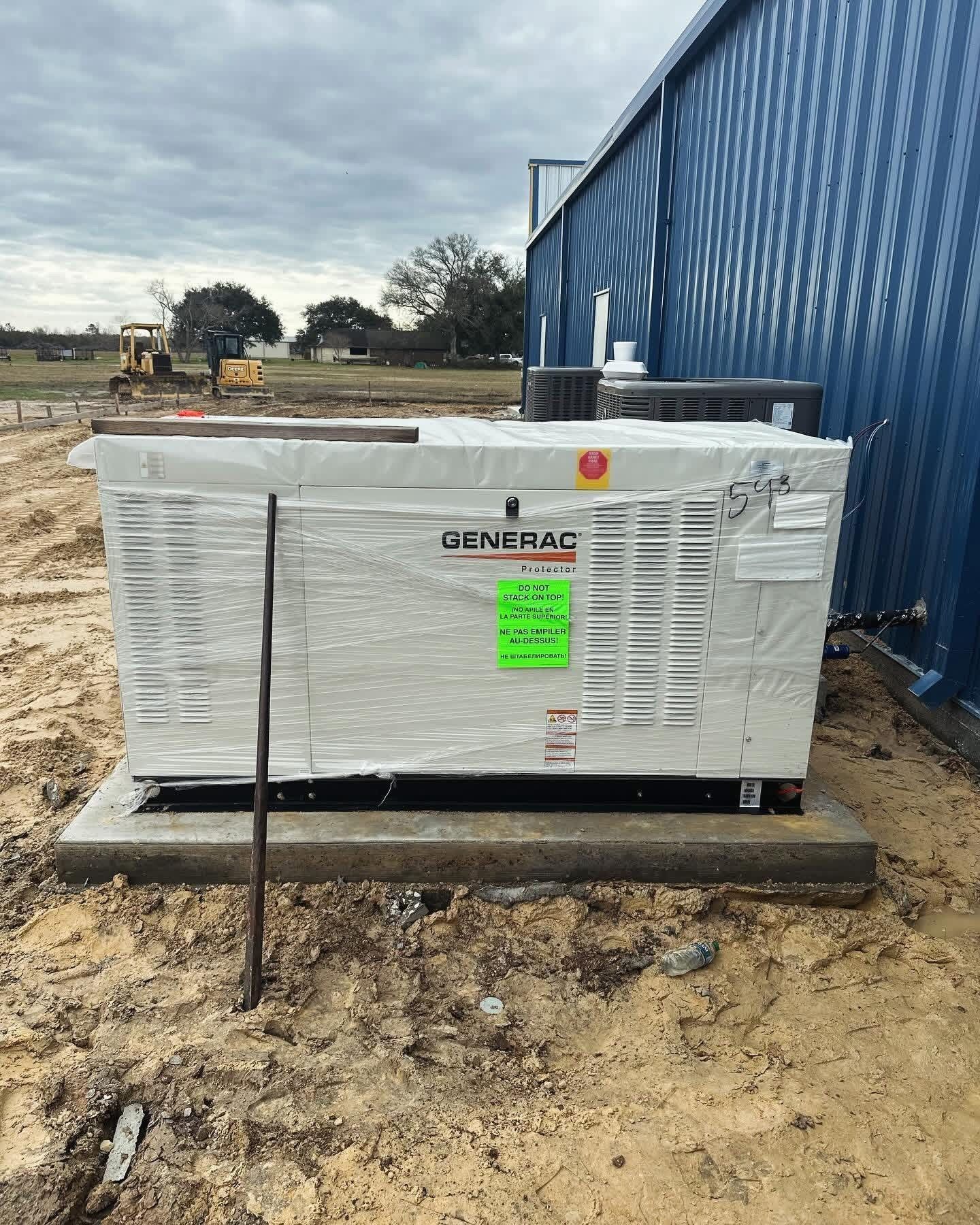
Power outages can happen unexpectedly and disrupt nearly every part of daily life. Severe weather, equipment failures, accidents, and problems with the electrical grid can leave a home without electricity for hours or even longer. Without power, homeowners may lose access to lighting, refrigeration, heating and cooling equipment, communication devices, and other important systems. A backup generator can provide an additional source of electricity when the primary power supply becomes unavailable. According to Mass.gov, generators should be placed outdoors at least 10 feet away from doors, windows, and vents, with the exhaust directed away from the building to help keep fumes from entering enclosed spaces. Proper planning and professional setup are essential because generator systems involve electrical connections, fuel sources, placement requirements, and important safety considerations. Understanding the benefits of backup power can help homeowners decide whether this type of equipment is a worthwhile addition to their property. Here are seven reasons why having a backup generator can provide greater convenience, comfort, and preparedness.
1. Keeping Essential Appliances Running
A power outage can quickly affect the appliances homeowners depend on every day. Refrigerators and freezers may begin losing their ability to keep food at safe temperatures when an outage continues for an extended period. A backup generator can provide electricity to selected appliances or, depending on the system, a larger portion of the home's electrical needs. Generator installation allows homeowners to plan which circuits and systems should receive power during an outage. This can help ensure that important equipment continues operating when utility service is unavailable. Homeowners may prioritize refrigeration, lighting, medical equipment, sump pumps, or other essential devices based on their individual needs. A properly designed backup power system can make an unexpected outage more manageable. Keeping essential appliances operational can reduce disruption and help households maintain a greater sense of normalcy.
2. Maintaining Indoor Comfort
Losing electricity can also affect the systems responsible for keeping a home comfortable. Depending on the season, an extended outage may leave homeowners without heating, cooling, or the ability to operate equipment that supports indoor air circulation. Extreme outdoor temperatures can make these disruptions especially uncomfortable. A professional generator installation can be planned around the equipment that is most important for maintaining the home's indoor environment. The size and capacity of the system can influence how much equipment it is able to support. Homeowners can work with qualified professionals to determine which systems should be included in the backup power plan. This allows the equipment to be selected based on actual household needs rather than guesswork. Maintaining greater indoor comfort during an outage can make a significant difference for families waiting for utility service to be restored.
3. Protecting Food and Household Supplies
A prolonged power outage can lead to concerns about refrigerated and frozen food. When appliances remain without electricity for an extended period, homeowners may need to discard food that can no longer be safely stored. This can create unnecessary waste and add to the inconvenience of an already stressful situation. With generator installation, homeowners can create a backup power solution that helps keep refrigeration equipment operating during an outage. The ability to maintain cold storage can be especially useful for households that keep a large amount of food on hand. Backup power may also support other household equipment that depends on electricity for regular operation. The exact systems that can operate will depend on the generator's capacity and the electrical setup. Protecting important household supplies can make a backup power system a practical part of emergency preparedness.
4. Supporting Important Home Systems
Many modern homes depend on electricity for systems that may not be immediately obvious during normal daily routines. Well pumps, sump pumps, security equipment, garage doors, and certain communication systems may all be affected when utility power is lost. An outage can become more complicated when these systems stop operating at the same time. A carefully planned generator installation can help homeowners identify the equipment that should receive priority during a power interruption. Backup power can be configured around selected circuits based on the home's layout and electrical needs. This planning helps create a more organized response instead of requiring homeowners to make difficult decisions after an outage has already begun. Professional guidance can also help ensure that the system is properly connected and suitable for the equipment it will support. Keeping important home systems available can improve both convenience and overall preparedness during unexpected power interruptions.
5. Improving Emergency Preparedness
Emergencies often require homeowners to adapt quickly to changing conditions. A backup power source can provide additional flexibility when normal electrical service is interrupted without warning. Lighting can remain available, communication devices can be charged, and selected appliances can continue operating. Generator installation allows homeowners to prepare for outages before severe weather or another emergency creates an immediate need. A planned system can be easier to operate than relying on temporary solutions after the power has already gone out. Homeowners can also become familiar with the equipment and understand how their backup system functions before an emergency occurs. Proper preparation should include following all applicable safety recommendations and manufacturer instructions. Having backup power available can provide an additional layer of readiness when unexpected events affect the electrical supply.
6. Reducing Daily Disruptions
Even a relatively short outage can interrupt work, school, household routines, and other responsibilities. Many people now depend on electricity for computers, internet equipment, charging devices, and tools used for remote activities. A backup generator can help reduce some of these interruptions by supplying power to selected areas of the home. Through professional generator installation, homeowners can create a system that reflects how they use electricity during a typical day. Some may prioritize office equipment and communication devices, while others may focus on household appliances and comfort systems. Identifying these needs in advance can make it easier to select an appropriate generator and electrical configuration. The right backup system can provide greater flexibility while utility service is being restored. Reducing the impact of an outage can help families maintain important routines during an otherwise disruptive event.
7. Adding Long-Term Convenience
A backup generator can continue providing benefits long after it is initially installed. Homeowners may feel more prepared knowing they have an additional source of power available when utility service is interrupted. The system can also be selected based on the property's size, electrical demands, and the homeowner's priorities. Generator installation should be completed with careful attention to safety, capacity, placement, and the electrical systems that will receive backup power. Professional planning can help homeowners avoid choosing equipment that is either insufficient for their needs or unnecessarily large for the intended use. Regular maintenance can also help keep the generator ready for operation when an outage occurs. Understanding how the system works can make ownership more convenient and reduce uncertainty during an emergency. A long-term backup power solution can become a valuable part of a home's overall preparedness strategy.
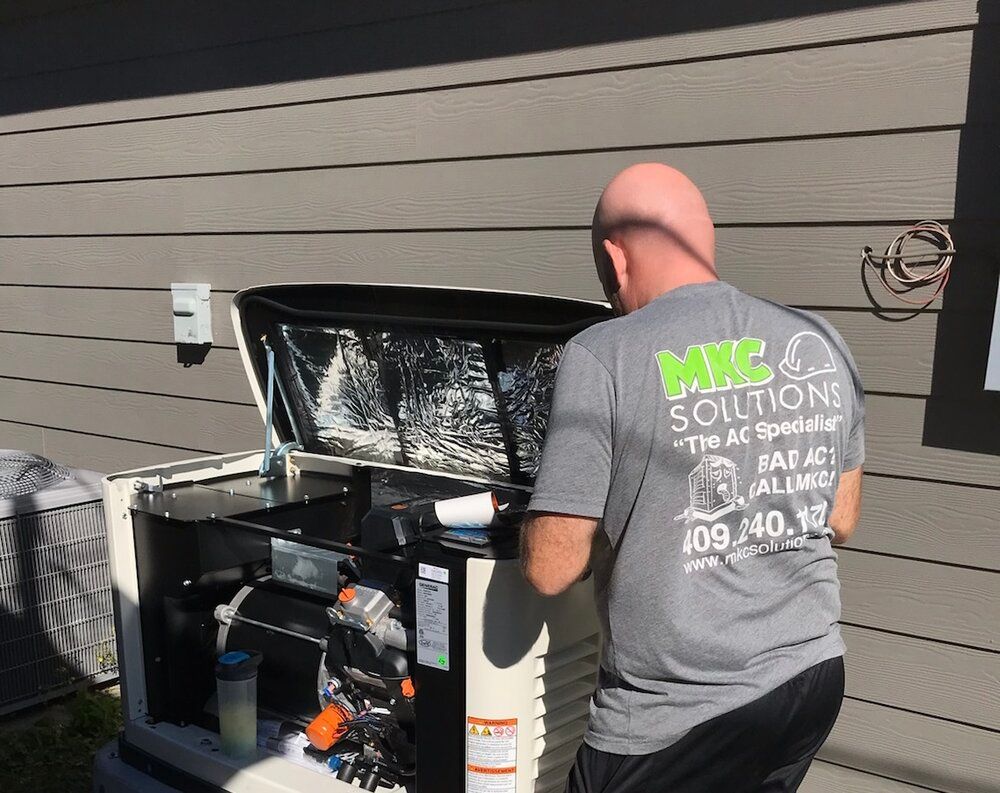
A generator is most effective when it is properly selected and installed for the specific needs of the property. Electrical capacity, fuel requirements, equipment placement, ventilation, and connection methods should all be considered before the system is put into service. MKC Solutions Air Conditioning can help homeowners evaluate their backup power needs and determine an approach that fits their household. Professional experience can help ensure that important details are addressed during the planning process. Generator installation also requires careful attention to safety requirements and the proper operation of connected electrical systems. A qualified team can help homeowners understand their options and prepare their property for a dependable backup power solution. With the right equipment and professional guidance, homeowners can feel more prepared for unexpected interruptions to utility service. Planning can make a stressful outage easier to manage while helping protect the systems and appliances a household depends on every day.
Do not wait until the next power outage to think about backup power for your home. Contact MKC Solutions Air Conditioning today to discuss your needs and learn how a professionally planned generator system can help keep your household prepared.












Share On: