5 Reasons to Invest in Upgrading Your Air Conditioning
Upgrading your primary cooling unit is one of the most effective ways to enhance overall home comfort, lower operational expenses, and ensure long-term mechanical reliability. Modern cooling systems offer high performance through advanced engineering, providing precise climate control while drastically minimizing overall energy consumption. Choosing professional air conditioning services to install an upgraded system provides immediate functional benefits, elevates indoor environmental quality, and supports broader energy sustainability initiatives across residential neighborhoods.
Upgrading Systems for Improved Energy Efficiency
Modern cooling systems incorporate high Seasonal Energy Efficiency Ratio (SEER) standards, consuming significantly less electricity to achieve desired indoor temperatures than models produced even a decade ago. Advanced components, including variable-speed compressors, electron-commutated blower motors, and programmable smart thermostats, continuously optimize operational output based on real-time cooling demands rather than running at full capacity constantly. According to Workyard, nearly 90% of households in the U.S. use air conditioning. Transitioning to higher-efficiency models across residential areas drastically reduces total energy consumption and lowers monthly utility bills for property owners.
The financial impact of operating inefficient cooling equipment becomes particularly evident during peak summer months when outdoor temperatures place high demands on central air systems. Older units with low SEER ratings require prolonged operational cycles to maintain indoor setpoints, leading to severe utility cost spikes and unnecessary mechanical stress. Modern systems utilize advanced refrigerants and optimized heat exchangers to transfer thermal energy far more effectively. This mechanical efficiency allows the system to cool living spaces rapidly while drawing a fraction of the electrical power, providing substantial long-term cost savings that help offset the initial replacement investment.
Additionally, modern energy-efficient units qualify for various municipal utility rebates, federal tax credits, and environmental incentives designed to encourage sustainable residential energy consumption. Integrating modern equipment with adaptive smart thermostats further amplifies these efficiency gains by automatically adjusting internal temperatures based on household occupancy patterns, ambient weather forecasts, and peak utility pricing windows. Partnering with certified air conditioning services ensures that new equipment is precisely sized and installed to maximize these technological advantages, preventing the energy waste associated with improperly installed or undersized units.
Enhancing Indoor Air Circulation and Quality
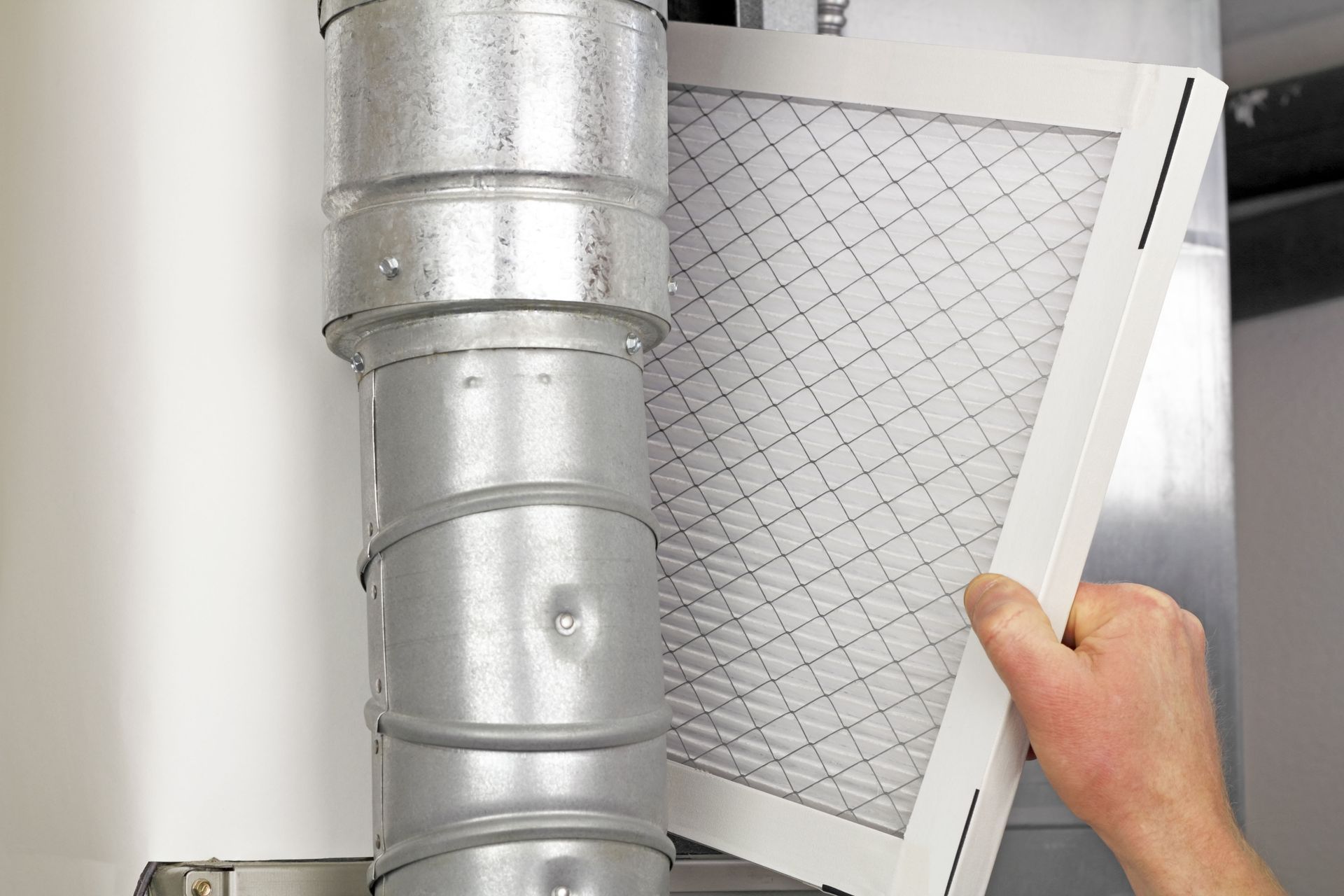
Upgraded units feature high-efficiency filtration media capable of capturing microscopic airborne particles, pet dander, particulate dust, and common environmental allergens. Standard filters in older systems often only capture large debris to protect mechanical components, leaving fine respirable particles circulating freely through living spaces. Advanced filtration options available in modern systems contribute directly to healthier indoor environments, offering critical relief for occupants with allergies, asthma, or other chronic respiratory sensitivities.
In addition to advanced filtration, modern cooling equipment provides superior humidity management, which is vital for maintaining optimal indoor environmental quality. Excess indoor humidity creates an ideal breeding ground for biological contaminants, dust mites, and persistent mold spores that compromise air purity and structural materials. Contemporary units maintain precise humidity balance by adjusting run times and coil temperatures, effectively extracting excess moisture from circulating air while preventing damp conditions that foster mold growth.
Proper air circulation and humidity control also protect the physical structure of your home, preventing wood warp, drywall deterioration, and paint peeling caused by ambient moisture fluctuations. By maintaining continuous, filtered airflow throughout every room, modern systems eliminate stagnant air pockets and keep indoor air fresh and clean. Contracting experienced air conditioning services to design balanced ductwork networks ensures optimal air exchange rates, delivering a noticeable improvement in overall household health, hygiene, and living comfort.
Optimizing Home Comfort and Temperature Balance
Upgraded cooling systems provide steady airflow, eliminating persistent temperature imbalances, drafts, and hot spots throughout multi-story or expansive living spaces. Older single-speed units operate on an all-or-nothing basis, causing noticeable temperature swings between operational cycles as spaces heat up and cool down abruptly. Modern multi-stage and variable-speed systems run at lower, continuous speeds to maintain uniform climate conditions within a fraction of a degree of your preferred thermostat setting.
Acoustic engineering advancements have also transformed the sensory experience of residential cooling, making modern equipment exceptionally quiet during operation. Innovative compressor sound blankets, swept-wing fan blades, and isolated motor mounts dampen mechanical vibrations, preserving a quiet indoor atmosphere without the intrusive background noise typical of legacy systems. Homeowners can enjoy peaceful sleeping environments, undisturbed conversation, and quiet workspaces while their cooling system operates effortlessly in the background.
Furthermore, smart technology integration grants users absolute control over home climate schedules through remote access platforms, mobile applications, and voice-activated home assistants. Homeowners can monitor system performance, adjust zone temperatures remotely, and receive instant maintenance notifications from anywhere in the world. This level of customization ensures that cooling output aligns perfectly with daily household routines, delivering optimal personal comfort precisely when and where it is needed most without wasting energy on unoccupied rooms.
Reducing Maintenance Costs and Increasing Reliability
Investing in new equipment minimizes unexpected system failures and eliminates the burden of recurring emergency repairs during periods of extreme seasonal heat. Older cooling systems frequently experience component fatigue, leading to motor burnouts, refrigerant leaks, electrical failures, and costly compressor replacements. Modern systems are manufactured using corrosion-resistant materials and robust internal components engineered for long-term durability, drastically reducing operational downtime and ongoing maintenance demands.
Advanced diagnostic capabilities built into contemporary cooling units facilitate proactive system care and simplified troubleshooting for technicians. Smart onboard monitoring systems continuously track operating pressure, electrical currents, and airflow volume, notifying homeowners of minor filter clogs or performance anomalies before they escalate into major mechanical issues. This self-monitoring capability extends the operational lifespan of the equipment and protects critical internal components from severe operational stress.
The overall cost of ownership for a new cooling system is further minimized through comprehensive manufacturer warranties that protect homeowners against unexpected component defects for years after installation. Utilizing expert air conditioning services for initial system placement and routine preventive tune-ups preserves warranty coverage, ensures peak seasonal performance, and provides complete peace of mind through reliable, hassle-free cooling season after season.
Maximizing Property Value and Real Estate Appeal
Installing high-efficiency mechanical systems enhances overall property appraisal value and significantly appeals to prospective homebuyers prioritizing energy performance and low immediate maintenance requirements. Modern buyers actively seek homes with updated, turnkey infrastructure, often viewing outdated HVAC systems as a major financial liability that requires immediate capital outlay. An upgraded, highly efficient cooling system serves as a prominent selling point that sets your property apart in competitive housing markets.
An updated cooling unit reflects positively on the general maintenance history and overall condition of the home, reassuring potential buyers and real estate appraisers that the property has been well cared for. Higher energy efficiency ratings and lower documented utility expenses provide tangible evidence of home quality, strengthening your negotiating position during sales transactions. In many cases, homes featuring modern HVAC technology sell faster and command higher asking prices than comparable properties with aging mechanical equipment.
Additionally, selecting reputable air conditioning services guarantees that installed equipment fully complies with contemporary local building codes, environmental regulations, and safety standards. This professional compliance eliminates potential inspection hurdles during property appraisals or home sales, protecting your financial investment and ensuring a smooth real estate transaction. Upgrading your mechanical systems represents a strategic move that delivers immediate lifestyle advantages while building lasting equity in your property asset.
Investing in expert air conditioning services secures optimal indoor comfort, improved air quality, and dependable cooling efficiency for many years to come. Modernizing your system is a smart, forward-thinking choice that pays continuous dividends in lower utility costs, reduced environmental impact, and complete operational peace of mind. For more information about the services that we offer, reach out to our incredible team at MKC Solutions Air Conditioning today!




Share On: